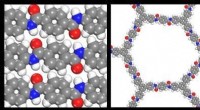
Chemical Reactions
* Definition: A process that involves the rearrangement of atoms and molecules, leading to the formation of new substances.
* Key features:
* Reactants: Starting materials in a reaction.
* Products: New substances formed during the reaction.
* Energy changes: Reactions can release or absorb energy.
Polymers
* Definition: Large molecules composed of repeating structural units called monomers.
* Formation: Polymers are often created through polymerization reactions, where monomers bond together.
* Examples: Plastics, rubber, proteins, DNA
Connection
* Chemical reactions are crucial for the formation of polymers. Polymerization reactions are specific types of chemical reactions that create long chains of monomers.
* Not all chemical reactions involve polymers. Many reactions result in the formation of small molecules, not large polymers.
Example:
* Reaction: The polymerization of ethylene (a monomer) to form polyethylene (a polymer).
* Reactants: Ethylene monomers
* Products: Polyethylene polymer chains
* Type of reaction: Addition polymerization
In summary:
* Chemical reactions are the underlying processes that create and transform matter.
* Polymers are a specific type of molecule formed through polymerization reactions.
* Polymerization is a special kind of chemical reaction that joins monomers to create long chains.
Let me know if you have more specific questions about chemical reactions or polymers. I'm here to help!