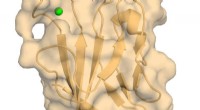
* Enzymes: These are biological catalysts that break down specific types of stains like protein (from blood, egg, or milk) or starch (from food spills). They work best in warm water and help remove stains more effectively than traditional detergents alone.
* Zeolites: These are inorganic catalysts that soften hard water by removing calcium and magnesium ions, which can interfere with the detergent's effectiveness. They also enhance the cleaning power by allowing the detergent to penetrate fabrics more easily.
Here's a simple analogy: Imagine a group of people trying to push a heavy boulder. The boulder represents a stain, and the people represent the detergent molecules. A catalyst, like an enzyme or zeolite, acts like a group of strong people joining the effort, making it easier to move the boulder (remove the stain) and do it faster.
Benefits of catalysts in washing powder:
* Improved stain removal: Catalysts enhance the effectiveness of detergent, removing stains better and faster.
* Lower washing temperatures: Catalysts allow for effective cleaning at lower temperatures, saving energy and reducing wear on clothes.
* Environmentally friendly: Many catalysts are bio-degradable and help reduce the environmental impact of washing.
Overall, catalysts are essential components in washing powder, making laundry easier, more efficient, and eco-friendlier.