* Lowering Activation Energy: Catalysts provide an alternative reaction pathway with a lower activation energy. This means less energy is needed for the reactants to reach the transition state and form products.
* Increasing the Rate of Reaction: By lowering the activation energy, catalysts allow more reactant molecules to overcome the energy barrier and react, leading to a faster reaction rate.
Think of it like this: Imagine a mountain pass. The reactants need to climb the mountain to reach the product side. A catalyst is like building a tunnel through the mountain, making it much easier and faster for the reactants to get to the other side.
Important Points:
* Catalysts are not consumed in the reaction. They participate in the reaction but are regenerated at the end.
* Catalysts can be specific to certain reactions and can be used in various forms (solids, liquids, gases).
* The presence of a catalyst doesn't change the equilibrium constant (K) of a reaction. It simply helps the reaction reach equilibrium faster.
Examples of Catalysts:
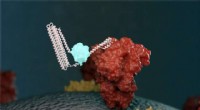
* Enzymes: Biological catalysts that speed up biochemical reactions in living organisms.
* Metal catalysts: Used in many industrial processes, such as the production of gasoline and plastics.
* Acid catalysts: Used in many organic reactions, such as esterification.
In summary, catalysts are powerful tools that can significantly increase the rate of chemical reactions. They are essential in many industrial and biological processes.