Enzymes are biological catalysts, meaning they speed up chemical reactions without being consumed in the process. Here's how they work in digestion:
* Breakdown of large molecules: Enzymes break down large food molecules (like carbohydrates, proteins, and fats) into smaller, simpler molecules that the body can absorb.
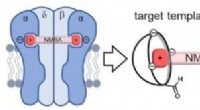
* Specificity: Each enzyme has a specific shape that allows it to bind to a specific type of molecule, ensuring that only the correct molecule is broken down.
* Optimal conditions: Each enzyme works best at a specific temperature and pH level, which is why the digestive system has different compartments with different environments to accommodate the various enzymes.
Here are some examples of digestive enzymes and their functions:
* Amylase: Breaks down carbohydrates (like starch) into simpler sugars.
* Protease: Breaks down proteins into amino acids.
* Lipase: Breaks down fats into fatty acids and glycerol.
It's important to note: While enzymes are essential for digestion, other factors like stomach acid (hydrochloric acid) also play a crucial role in breaking down food.