Definition:
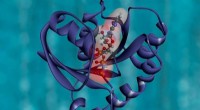
Biologic catalysts, also known as enzymes, are biological molecules (typically proteins, but sometimes RNA) that act as catalysts to accelerate chemical reactions within living organisms. They are highly specific for their substrates and can enhance reaction rates by factors of millions or even billions.
Characteristics of Biologic Catalysts:
* Specificity: Enzymes catalyze only specific reactions involving specific substrates.
* Efficiency: They significantly increase reaction rates, often by factors of 10^6 to 10^16.
* Mild Reaction Conditions: Enzymes function optimally under physiological conditions (e.g., temperature, pH).
* Regulation: Enzyme activity can be regulated by various mechanisms, such as feedback inhibition, allosteric regulation, and covalent modification.
* Protein Nature (Mostly): Most enzymes are proteins, but some are RNA molecules called ribozymes.
Mechanism of Action:
Enzymes lower the activation energy of a reaction, making it easier for the reactants to form products. They do this by:
* Providing an alternative reaction pathway: Enzymes create a specific environment that facilitates the formation of the transition state, which is the unstable intermediate state of the reaction.
* Binding to substrates: Enzymes bind to specific substrates through weak interactions (e.g., hydrogen bonds, van der Waals forces), forming an enzyme-substrate complex.
* Catalysis: The enzyme-substrate complex undergoes a conformational change, facilitating the chemical reaction and releasing the products.
Examples of Biologic Catalysts:
* Lactase: Breaks down lactose (milk sugar) into glucose and galactose.
* Amylase: Digests starch into simpler sugars.
* Pepsin: Breaks down proteins in the stomach.
* DNA polymerase: Catalyzes the synthesis of DNA.
* RNA polymerase: Catalyzes the synthesis of RNA.
Importance of Biologic Catalysts:
* Metabolism: Enzymes drive all metabolic processes in living organisms, including energy production, nutrient breakdown, and biosynthesis.
* Cellular Function: They are essential for cellular processes, such as DNA replication, protein synthesis, and signal transduction.
* Biotechnology: Enzymes are used in various biotechnological applications, such as drug development, diagnostics, and food processing.
Conclusion:
Biologic catalysts are essential molecules that accelerate biochemical reactions in living organisms. Their specificity, efficiency, and regulation make them vital for maintaining life processes. They are crucial for all aspects of cellular function, from metabolism to genetic information processing.