PdCl₂ (Palladium Chloride)
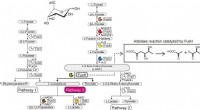
* Primary Catalyst: PdCl₂ is the primary catalyst responsible for the oxidation of ethylene to acetaldehyde. The reaction proceeds through a series of steps involving:
* Coordination: Ethylene coordinates to PdCl₂, forming a π-complex.
* Oxidation: PdCl₂ oxidizes the coordinated ethylene, forming a chloro-palladium(II) alkyl complex.
* Hydrolysis: The chloro-palladium(II) alkyl complex undergoes hydrolysis, releasing acetaldehyde and regenerating Pd(0).
* Regeneration: The reduced Pd(0) is re-oxidized to PdCl₂ by CuCl₂.
CuCl₂ (Copper Chloride)
* Redox Catalyst: CuCl₂ acts as a redox catalyst to regenerate the active PdCl₂ catalyst.
* Oxygen Transfer: CuCl₂ reacts with oxygen from air to form CuCl₃⁻, which then oxidizes the reduced Pd(0) back to PdCl₂.
* Oxidation State Cycling: CuCl₂ is reduced to CuCl in the process, and then re-oxidized by oxygen to CuCl₂. This cycling of the copper oxidation state allows for the continuous regeneration of the palladium catalyst.
In Summary:
* PdCl₂: Responsible for the direct oxidation of ethylene to acetaldehyde, and is regenerated by CuCl₂.
* CuCl₂: Serves as a redox catalyst, transferring oxygen from air to regenerate the active PdCl₂ catalyst.
Both catalysts work together in a synergistic manner to achieve the desired oxidation reaction in the Wacker process.