Here's the breakdown:
* Melting point: This is the specific temperature at which a substance transitions from a solid state to a liquid state.
* Not a "magic" temperature: It's a scientifically determined value based on the substance's molecular structure and the strength of the forces holding its molecules together.
* Unique to each substance: Different substances have different melting points. For example, water melts at 0°C (32°F), while iron melts at 1538°C (2800°F).
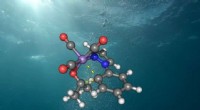
Think of it like this: The melting point is the temperature where the molecules in a solid have enough energy to overcome the forces holding them in a fixed structure, allowing them to move more freely like a liquid.