In the body:
* Blood: This is the primary carrier of organic compounds like glucose (sugar), amino acids (building blocks of proteins), lipids (fats), and hormones. It also carries inorganic nutrients like calcium, iron, and sodium.
* Lymph: This fluid helps transport fats and some vitamins, as well as immune cells and waste products.
In the environment:
* Water: A universal solvent, water carries a variety of organic compounds (like dissolved sugars and proteins) and inorganic nutrients (like dissolved salts).
* Soil: Soil is a complex mixture that holds organic compounds (like decaying plant matter) and inorganic nutrients (like minerals).
* Air: While air is mostly gases, it can carry small amounts of organic compounds (like volatile organic compounds) and some inorganic nutrients (like dust particles containing minerals).
Within a cell:
* Cytoplasm: The fluid inside a cell carries various organic compounds and some inorganic nutrients.
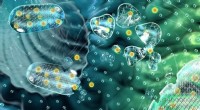
* Vesicles: These small sacs within cells transport specific substances, including organic compounds and inorganic nutrients.
Specific examples:
* Glucose: Carried by blood to cells for energy.
* Iron: Carried by blood to red blood cells for oxygen transport.
* Calcium: Carried by blood to bones and teeth for structure.
So, the answer to your question depends on the specific context you are interested in. To give a more precise answer, please provide more information.