1. Size and Shape:
* Small molecules: Smaller molecules can pass through the cell membrane more easily than larger ones. For example, water, oxygen, and carbon dioxide are small enough to diffuse readily.
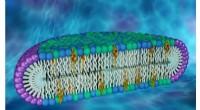
* Non-polar molecules: Non-polar molecules (like lipids) can easily cross the lipid bilayer of the cell membrane.
2. Polarity:
* Hydrophobic (non-polar) molecules: These molecules easily dissolve in the lipid bilayer of the cell membrane and can therefore diffuse easily.
* Hydrophilic (polar) molecules: These molecules are repelled by the lipid bilayer. They may need help from membrane proteins (e.g., channel proteins or carrier proteins) to pass through the membrane.
3. Concentration Gradient:
* High to Low Concentration: Compounds move from areas of high concentration to areas of low concentration, following the concentration gradient. This movement does not require energy and is considered passive transport.
Examples of compounds that easily diffuse into the cell:
* Oxygen (O2): Small, non-polar molecule that readily diffuses into cells for respiration.
* Carbon dioxide (CO2): Small, non-polar molecule that diffuses out of cells as a waste product of respiration.
* Steroid hormones: Non-polar molecules that can easily cross the cell membrane.
* Fatty acids: Non-polar molecules that are readily absorbed into cells.
* Water (H2O): Small, polar molecule that can pass through the cell membrane, although it may be assisted by aquaporins.
Important Note:
* The cell membrane is selectively permeable, meaning it allows some molecules to pass through while blocking others. This selectivity is essential for maintaining cellular homeostasis.
* While some molecules can easily diffuse across the membrane, others require active transport mechanisms, which require energy to move molecules against their concentration gradient.