Organic Substances:
* Carbohydrates: Provide energy and structural components for cells.
* Lipids (fats, oils, waxes): Provide energy storage, insulation, and structural components of cell membranes.
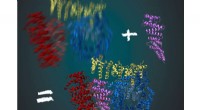
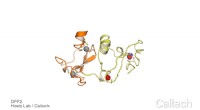
* Proteins: Act as enzymes, structural components, hormones, and antibodies. They are built from amino acids.
* Nucleic Acids (DNA and RNA): Carry genetic information and direct protein synthesis.
Inorganic Substances:
* Water: Essential solvent for biochemical reactions, plays a role in transport and temperature regulation.
* Minerals: Essential for various cellular functions, including enzyme activity, bone formation, and nerve impulse transmission. Examples include calcium, iron, potassium, magnesium, phosphorus, etc.
Other Important Factors:
* Energy: Organisms obtain energy from various sources (sunlight for plants, food for animals) to power the synthesis processes.
* Enzymes: Biological catalysts that speed up and facilitate biochemical reactions, including synthesis.
Synthesis Processes:
* Dehydration Synthesis: The formation of large molecules from smaller monomers, involving the removal of a water molecule.
* Anabolism: The process of building complex molecules from simpler ones, requiring energy input.
Note: Specific combinations of these substances and processes vary depending on the organism and the material being synthesized.