1. Characterization:
* Physical Properties: Measure and compare the new substance's physical properties with known substances. This includes:
* Melting point: The temperature at which the solid melts.
* Boiling point: The temperature at which the liquid boils.
* Density: Mass per unit volume.
* Solubility: How well the substance dissolves in different solvents.
* Color: The substance's visual appearance.
* Crystal structure: The arrangement of atoms or molecules in the solid state.
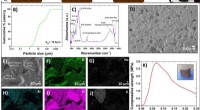
* Spectroscopic Analysis: Use various spectroscopic techniques to analyze the substance at the molecular level:
* Infrared (IR) Spectroscopy: Identifies functional groups present in the molecule.
* Nuclear Magnetic Resonance (NMR) Spectroscopy: Provides information about the structure and bonding of the molecule.
* Mass Spectrometry (MS): Determines the molecular weight and provides information about the chemical composition.
* Ultraviolet-Visible (UV-Vis) Spectroscopy: Identifies the presence of specific functional groups and determines the concentration of the substance.
* Elemental Analysis: Determine the elemental composition of the substance using techniques like:
* Combustion Analysis: Determines the percentage of carbon, hydrogen, and other elements in the substance.
* Inductively Coupled Plasma Atomic Emission Spectroscopy (ICP-AES): Measures the elemental composition of the substance by exciting atoms in a plasma.
2. Comparison and Literature Search:
* Compare the data you obtain with existing databases and literature on known substances.
* If the data matches an existing substance, you can conclude that the substance is not new.
* If the data does not match any existing substance, you have strong evidence that it might be a new substance.
3. Confirmation and Publication:
* Further analysis and verification: If the substance appears to be new, perform additional tests to ensure its identity and uniqueness.
* Publication: Publish your findings in a scientific journal to allow the scientific community to verify and validate your claim of a new substance.
Additional Considerations:
* Purity: Ensure the substance is pure and free from impurities that could influence the analytical results.
* Novelty: The substance must be truly novel, meaning it has never been described or characterized before.
* Patent: Consider patenting the substance if it has potential commercial applications.
It's important to note that identifying a new substance is a rigorous process that often requires expertise in chemistry, analytical techniques, and scientific literature.