How it works:
* Solvents: These are liquids that can dissolve solids. Common solvents used in glues include acetone, toluene, and methyl ethyl ketone (MEK).
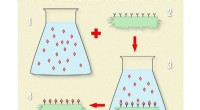
* Adhesive: This is the actual bonding agent, often a polymer or resin. The solvent dissolves the adhesive, making it a thin liquid.
* Application: When the solvent glue is applied, the solvent evaporates, leaving the adhesive behind to bond the materials together.
Characteristics of solvent glues:
* Fast drying: They often dry quickly due to the rapid evaporation of the solvent.
* Strong bonds: Solvent glues can form strong bonds, especially on porous materials.
* Volatile: The solvents can be flammable and release fumes, requiring proper ventilation.
* Potential for damage: Solvent glues can damage some materials, particularly sensitive ones like plastics or certain finishes.
Types of solvent glues:
* Contact cement: Used for bonding large surfaces like plywood or leather.
* Super glue: A quick-drying cyanoacrylate adhesive that uses a small amount of solvent.
* PVC cement: Specifically formulated for bonding PVC pipes and fittings.
Safety:
Solvent glues should always be used in a well-ventilated area and with proper safety precautions, including:
* Gloves: Protect your skin from contact with the solvent.
* Eye protection: Wear goggles to protect your eyes from fumes and splashes.
* Fire safety: Keep solvent glues away from heat and open flames.
Alternatives:
* Epoxy glues: Two-part adhesives that mix together to form a strong bond. They are often more durable and less volatile than solvent glues.
* Hot melt glues: Use heat to melt the adhesive, making them a good choice for quick repairs.
In conclusion:
Solvent glues are a versatile adhesive option with advantages like fast drying time and strong bonds. However, their volatility and potential for damage require careful use. When choosing a glue, it's important to consider the materials being bonded, the required drying time, and safety considerations.