Here's how it works:
1. Introducing the tracer: A known quantity of the tracer chemical is added to the system being studied.
2. Monitoring the tracer: The tracer's movement or concentration is monitored over time using specific detection methods.
3. Analyzing the data: The data collected from the tracer's behavior provides insights into the system's characteristics, such as flow rate, mixing patterns, and the movement of fluids.
Applications of chemical tracers:
* Environmental science: Tracing groundwater flow, pollutant movement, and the effectiveness of remediation efforts.
* Hydrology: Studying river flow, sediment transport, and the efficiency of irrigation systems.
* Engineering: Assessing the efficiency of pipelines, identifying leaks, and optimizing process flows in industries like chemical manufacturing and oil & gas.
* Medical research: Studying drug absorption, metabolism, and distribution within the body.
Different professions use chemical tracers:
* Environmental scientists: Monitor water quality, study pollution, and assess remediation projects.
* Hydrologists: Analyze water flow, assess water resources, and manage irrigation systems.
* Engineers: Optimize process flow, troubleshoot problems, and ensure safety in various industries.
* Medical researchers: Study the effects of drugs and develop new treatments.
Examples of tracer chemicals:
* Dye tracers: Used in water studies due to their visibility.
* Radioactive tracers: Used for highly sensitive detection, particularly in medical research.
* Stable isotopes: Used in environmental studies due to their natural abundance and ease of measurement.
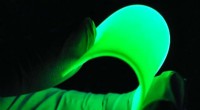
* Fluorescent tracers: Used in studies where visual tracking is required.
Therefore, while there is no specific "chemical tracer" job, various professionals use this technique in their respective fields. The specific job title would depend on their area of expertise and the application of the tracer.