* Sugar primarily refers to sucrose (C₁₂H₂₂O₁₁), but it can also refer to other sugars like glucose and fructose.
* Vinegar is a solution of acetic acid (CH₃COOH) in water.
When you mix sugar and vinegar, a chemical reaction does occur, but it's not a simple reaction with a single balanced formula. Here's what happens:
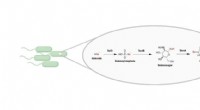
1. Hydrolysis: The acetic acid in vinegar acts as a catalyst to break down the sucrose molecule into its simpler components, glucose (C₆H₁₂O₆) and fructose (C₆H₁₂O₆):
C₁₂H₂₂O₁₁ (sucrose) + H₂O (water) → C₆H₁₂O₆ (glucose) + C₆H₁₂O₆ (fructose)
2. Further reactions: The glucose and fructose can then react further with the acetic acid in the vinegar, forming various esters (compounds formed by the reaction of an acid and an alcohol).
Therefore, there is no single, simple balanced chemical formula for the reaction between sugar and vinegar. The reaction involves multiple steps and produces a complex mixture of products.