1. Understanding Material Properties:
* Mechanical Properties: Crystal structure directly influences a material's strength, ductility, and hardness. For example, the strong, rigid structure of diamond, a giant covalent network, gives it exceptional hardness.
* Electrical Properties: The arrangement of atoms determines a material's conductivity. Metals, with their delocalized electrons, are excellent conductors, while insulators like diamond have tightly bound electrons, hindering conductivity.
* Optical Properties: Crystal structure influences how a material interacts with light, affecting its color, transparency, and refractive index. This is why diamonds sparkle and precious stones possess their vibrant hues.
* Thermal Properties: The way atoms are packed in a crystal determines its thermal conductivity and melting point.
2. Materials Design and Development:
* Designing New Materials: Understanding crystal structure allows scientists to tailor materials for specific applications. For example, by controlling the crystal structure of ceramics, they can achieve high strength, durability, and heat resistance.
* Improving Existing Materials: Researchers can manipulate crystal defects and grain boundaries to enhance the performance of existing materials. This leads to stronger, more efficient, and more durable materials.
3. Understanding Biological Processes:
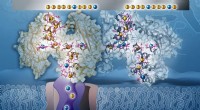
* Protein Structure: Proteins are essential for life and their function is directly linked to their three-dimensional structure, often based on complex crystal arrangements. Understanding this structure is vital for drug development and understanding diseases.
* DNA Structure: The double helix of DNA is a classic example of a crystal structure. Understanding its structure is crucial for gene editing, genetic engineering, and understanding heredity.
4. Advanced Technological Applications:
* Semiconductors: The arrangement of atoms in silicon crystals determines the properties of semiconductors, essential for modern electronics.
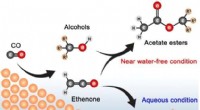
* Catalysis: Crystal structures of catalysts play a vital role in chemical reactions, controlling reaction rates and product selectivity.
* Nanotechnology: Manipulating crystals at the nanoscale leads to new materials with unique properties, like enhanced reactivity and optical properties.
In summary, studying crystal structure is vital for:
* Predicting and controlling material properties.
* Designing and developing new materials with desired properties.
* Understanding biological processes and developing new treatments.
* Advancing technology in fields like electronics and nanotechnology.
The study of crystal structure unlocks a world of possibilities, enabling us to understand and manipulate the world around us at the atomic level.