The Process
1. Polarity: Water is a polar molecule, meaning it has a slightly positive and slightly negative end due to the uneven sharing of electrons between the hydrogen and oxygen atoms.
2. Ionic Bonds: Rock salt is made of sodium (Na+) and chloride (Cl-) ions held together by ionic bonds.
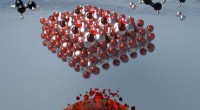
3. Attraction: When rock salt is added to water, the water molecules surround the ions. The slightly positive end of the water molecules attracts the negatively charged chloride ions (Cl-), while the slightly negative end attracts the positively charged sodium ions (Na+).
4. Dissolution: The attraction between the water molecules and the ions is stronger than the ionic bond holding the salt together. This causes the salt crystals to break apart, and the ions become surrounded by water molecules, effectively dissolving into the water.
Factors Affecting Dissolution
* Temperature: Warmer water dissolves rock salt faster because the molecules move more rapidly, increasing the frequency of collisions with the salt crystals.
* Stirring: Stirring or agitation helps to break up the salt crystals and bring fresh water molecules into contact with the dissolving salt.
* Concentration: The more salt already dissolved in the water, the slower the rate of dissolution. This is because the water becomes saturated with salt ions.
Let me know if you'd like to know more about any of these factors or have other questions about rock salt!