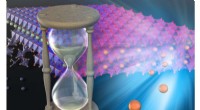
* Physical changes involve changes in the form or appearance of a substance, but not its chemical composition. The molecules themselves remain the same. Examples include:
* Melting: Solid to liquid (ice to water)
* Freezing: Liquid to solid (water to ice)
* Boiling: Liquid to gas (water to steam)
* Condensation: Gas to liquid (steam to water)
* Sublimation: Solid to gas (dry ice to carbon dioxide gas)
* Deposition: Gas to solid (frost formation)
* Chemical changes involve the formation of new substances with different chemical compositions. The molecules are rearranged or broken down to form new molecules. Examples include:
* Burning wood
* Rusting iron
* Baking a cake
Key Differences:
* Physical changes are usually reversible (you can often change the substance back to its original state).
* Chemical changes are usually irreversible (you can't easily get the original substances back).
In summary: Changes in the state of matter are physical changes because they only alter the arrangement and movement of molecules, not their chemical composition.