Fossil Fuels (Coal, Oil, Natural Gas)
* Burning: When these fuels are burned, the carbon and hydrogen atoms within their molecules react with oxygen in the air. This reaction releases energy in the form of heat and light, producing carbon dioxide (CO2) and water (H2O).
* Chemical transformation: The atoms themselves are not destroyed, but their bonds are broken and rearranged to form new molecules.
* Byproducts: In addition to CO2 and H2O, burning fossil fuels can also release pollutants like sulfur dioxide (SO2), nitrogen oxides (NOx), and particulate matter.
Nuclear Fuel (Uranium)
* Fission: In nuclear power plants, uranium atoms are bombarded with neutrons, causing them to split (fission) into lighter atoms like barium and krypton. This process releases a tremendous amount of energy.
* Radioactive decay: The products of fission, along with other radioactive isotopes, continue to decay, emitting radiation over time.
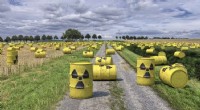
* Waste: This process generates radioactive waste that requires careful management and disposal due to its hazardous nature.
Biofuel (Ethanol, Biodiesel)
* Combustion: Biofuels are derived from organic matter, typically plant materials. Similar to fossil fuels, they undergo combustion, releasing energy and forming CO2 and H2O.
* Carbon cycle: The carbon atoms in biofuels were originally absorbed from the atmosphere during plant growth. Burning biofuels releases this carbon back into the atmosphere, creating a more closed carbon cycle than fossil fuels.
Renewable Energy Sources (Solar, Wind, Hydro)
* No atomic change: These energy sources do not involve burning or nuclear reactions. They harness naturally occurring energy, like sunlight, wind, or water flow, without changing the atoms involved.
In summary:
* Fossil fuels: Atoms rearrange to form new molecules, releasing energy but also contributing to greenhouse gas emissions.
* Nuclear fuel: Atoms split (fission), releasing massive amounts of energy and producing radioactive waste.
* Biofuels: Atoms are rearranged, but the carbon cycle is more closed than fossil fuels.
* Renewable energy sources: Atoms remain unchanged, harnessing natural energy flows without altering their composition.
It's important to note that the fate of atoms in fuel is a complex issue with significant environmental and societal implications. Understanding these processes is crucial for informed decision-making about energy production and consumption.