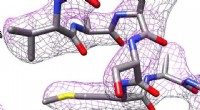
* The Chemical Reaction: Silver ions (Ag+) from silver salts can react with sulfur-containing amino acids (like cysteine) in proteins, forming silver sulfide (Ag2S).
* The Discoloration: Silver sulfide is a dark, gray-black compound. This is what causes the characteristic grayish-brown discoloration of the skin, often referred to as argyria.
* The Mechanism: It's not a simple, direct reaction. The process is more complex and involves factors like:
* Protein Availability: The presence of proteins with accessible sulfur-containing amino acids is crucial for the reaction.
* Cellular Uptake: Silver ions need to be taken up by cells to reach the proteins they react with.
* Skin Conditions: Skin conditions like eczema or psoriasis can make the skin more susceptible to silver accumulation.
* Exposure Level: The severity of argyria depends on the duration and intensity of silver exposure.
Important Notes:
* Argyria is permanent: While it's not harmful, the discoloration is irreversible.
* Silver salts are used medicinally: Silver sulfadiazine is a common topical antibiotic, and other silver salts are used in wound dressings. However, these are carefully formulated to minimize the risk of argyria.
To summarize: Silver salts can discolor the skin by reacting with proteins, but it's a complex process involving several factors. While argyria is not harmful, it's important to be aware of the potential for discoloration when using products containing silver salts.