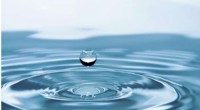
Imagine you have a block of ice. You can melt it into water, freeze it back into ice, or even break it into smaller pieces. These are physical changes.
Physical changes:
* Change the appearance or form of a substance, but not its chemical composition.
* Usually reversible.
* Involve changes in physical properties like state of matter, shape, or size.
Examples of Physical Changes:
* Melting ice: Water changes from a solid to a liquid, but it's still H₂O.
* Boiling water: Water changes from a liquid to a gas (steam), but it's still H₂O.
* Cutting paper: You change the size of the paper, but it's still paper.
* Dissolving sugar in water: The sugar disappears, but it's still there, just mixed with the water.
Now, imagine you take a piece of paper and burn it. The paper changes completely, turning into ash and releasing smoke. This is a chemical change.
Chemical changes:
* Change the chemical composition of a substance.
* Often irreversible (though sometimes they can be reversed).
* Involve changes in chemical properties like flammability, reactivity, or acidity.
Examples of Chemical Changes:
* Burning wood: The wood reacts with oxygen, producing ash, smoke, and carbon dioxide.
* Rusting iron: Iron reacts with oxygen and water to form iron oxide (rust).
* Baking a cake: Ingredients are combined and chemically transformed into a new substance.
* Digesting food: The food is broken down into simpler molecules by chemical reactions.
Key Difference:
The key difference between physical and chemical changes lies in whether a new substance is formed. Physical changes don't create a new substance, while chemical changes do.
In a nutshell:
* Physical changes are changes in the appearance of a substance, not its chemical makeup.
* Chemical changes are changes in the chemical makeup of a substance, resulting in a new substance.