1. Nutrient Transport:
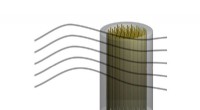
* Water acts as a solvent for minerals and nutrients absorbed from the soil.
* These dissolved nutrients are then transported throughout the plant via the xylem, reaching all parts for growth and development.
2. Photosynthesis:
* Water is a reactant in photosynthesis, the process by which plants convert light energy into chemical energy.
* It is split into oxygen and hydrogen ions, which are used to form glucose, the plant's primary energy source.
3. Cellular Processes:
* Water is essential for maintaining cell turgor, the pressure within plant cells that provides structural support.
* It acts as a medium for biochemical reactions occurring within the cells, including enzyme activity and metabolism.
4. Temperature Regulation:
* Water has a high heat capacity, meaning it can absorb and release significant amounts of heat without drastic temperature changes.
* This helps plants regulate their internal temperature, protecting them from extreme conditions.
5. Waste Removal:
* Water dissolves waste products from plant metabolism, such as excess salts and carbon dioxide.
* These dissolved wastes are then transported out of the plant via the phloem and released into the environment.
6. Other Important Roles:
* Water is essential for seed germination, providing the necessary moisture for growth.
* It is also vital for flowering and fruit development.
* Water helps maintain plant flexibility, allowing stems and leaves to bend and move without breaking.
In summary, water is a critical solvent in plants, facilitating essential processes like nutrient transport, photosynthesis, cellular activity, temperature regulation, waste removal, and overall growth and development. Without water, plant life would be impossible.