1. Energy and Fuels:
* Oil and Gas: Exploration, extraction, refining, and transportation of fossil fuels. Development of new energy sources like biofuels and renewable energy technologies.
* Power Generation: Design and optimization of power plants, fuel cells, and energy storage systems.
* Nuclear Engineering: Design and operation of nuclear reactors and related processes.
2. Pharmaceuticals and Biotechnology:
* Drug Development: Design and manufacture of pharmaceutical drugs, including formulation, purification, and delivery systems.
* Biotechnology: Development and production of biopharmaceuticals, vaccines, and other bio-based products.
* Medical Devices: Development and manufacture of medical devices, implants, and diagnostics.
3. Food and Beverages:
* Food Processing: Design and operation of food processing plants, including packaging, preservation, and quality control.
* Beverage Production: Design and operation of breweries, wineries, and other beverage production facilities.
* Food Science: Research and development of new food products and technologies.
4. Materials and Manufacturing:
* Polymer Science: Development and production of plastics, rubber, and other polymers.
* Ceramics: Development and production of ceramics, glass, and other inorganic materials.
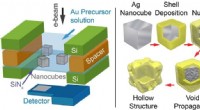
* Nanotechnology: Research and development of materials and products at the nanoscale.
* Manufacturing Process Design: Optimization of manufacturing processes for efficiency, safety, and sustainability.
5. Environmental Engineering:
* Wastewater Treatment: Design and operation of wastewater treatment plants for water purification and reuse.
* Air Pollution Control: Development and implementation of technologies to reduce air pollution.
* Environmental Remediation: Development of technologies for cleaning up contaminated sites.
6. Other Application Areas:
* Cosmetics and Personal Care Products: Formulation and production of cosmetics, toiletries, and other personal care products.
* Agrochemicals: Development and production of pesticides, herbicides, and fertilizers.
* Pulp and Paper: Design and operation of pulp and paper mills.
* Textiles: Development and production of textiles and fibers.
In summary:
Chemical engineering applies scientific and engineering principles to solve real-world problems related to the production, transformation, and utilization of materials and energy. This field is essential for developing new technologies, improving existing processes, and meeting the growing needs of a global population.