Visual Changes:
* Color Change: A change in the color of the reactants or the appearance of a new color indicates a chemical reaction has taken place.
* Formation of a Precipitate: A solid that forms and settles out of a solution is called a precipitate. This is a clear sign of a new substance being created.
* Gas Production: The release of gas, often observed as bubbles, is a strong indicator of a chemical reaction.
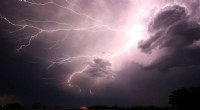
* Light Emission: Some chemical reactions release energy as light, creating a glow or flame.
* Change in State: A change in the physical state of the reactants (solid to liquid, liquid to gas, etc.) can be a sign of a chemical reaction.
Other Observable Changes:
* Temperature Change: Chemical reactions can release heat (exothermic) or absorb heat (endothermic), leading to a change in temperature. You might feel the container getting hotter or colder.
* Odor Change: The formation of new substances can result in a noticeable change in odor.
* Sound Production: Some reactions produce a characteristic sound, like fizzing or popping.
* Change in pH: The acidity or alkalinity of a solution can change during a reaction.
Important Notes:
* Not all changes indicate a chemical reaction: Physical changes, like melting or boiling, don't create new substances.
* The intensity of the observed changes can vary: Some reactions have very subtle changes, while others are dramatic.
* Multiple changes often occur: A chemical reaction rarely involves only one observable change.
By observing these properties, we can gain valuable information about the chemical changes occurring in a reaction.