* Carbon dioxide (CO2): This is the primary product of combustion. The carbon atoms in the hydrocarbon combine with oxygen to form CO2.
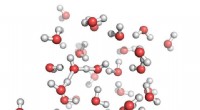
* Water (H2O): The hydrogen atoms in the hydrocarbon combine with oxygen to form water.
* Heat and light energy: This is released as the chemical bonds in the hydrocarbon are broken and new bonds are formed in CO2 and H2O. This is what we see as the flame.
In addition to these main products, you may also get:
* Carbon monoxide (CO): This is a toxic gas that can be produced if there is not enough oxygen present during the combustion process.
* Soot: This is a black, powdery substance made up of unburned carbon particles. It is produced when the hydrocarbon is burned with insufficient oxygen.
* Other pollutants: Depending on the type of hydrocarbon and the conditions of combustion, other pollutants like sulfur dioxide, nitrogen oxides, and particulate matter can be produced.
The general equation for the combustion of a hydrocarbon is:
Hydrocarbon + Oxygen → Carbon Dioxide + Water + Heat and Light
Example:
The combustion of methane (CH4) can be represented by the following equation:
CH4 + 2O2 → CO2 + 2H2O + Heat and Light