* Presence of Carbon: All organic compounds contain carbon as the primary element.
* Covalent Bonding: Carbon forms strong covalent bonds with other elements like hydrogen, oxygen, nitrogen, and sulfur, forming the backbone of organic molecules.
* Variety of Structures: The ability of carbon to form four bonds allows for a wide range of possible structures, leading to the immense diversity of organic compounds.
* Complex and Diverse Functions: Organic compounds play crucial roles in all living organisms, fulfilling functions like energy storage, structural support, cell signaling, and catalysis.
1. Carbohydrates: These compounds are composed of carbon, hydrogen, and oxygen, usually in a 1:2:1 ratio. They serve as primary sources of energy for living organisms and are also important structural components. Examples include sugars, starches, and cellulose.
2. Lipids: Lipids are a diverse group of compounds that are characterized by their insolubility in water. They include fats, oils, waxes, and steroids. Lipids serve as energy storage, insulation, and structural components in cell membranes.
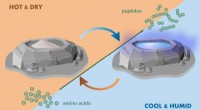
3. Proteins: Proteins are large, complex molecules composed of amino acids linked together by peptide bonds. They play numerous roles in living organisms, including enzymatic catalysis, structural support, transport, and cell signaling.
4. Nucleic Acids: Nucleic acids are polymers made up of nucleotides, each consisting of a sugar, a phosphate group, and a nitrogenous base. DNA and RNA are the two main types of nucleic acids, responsible for carrying genetic information and directing protein synthesis.
These four classes are the fundamental building blocks of life and encompass a vast array of organic compounds with diverse structures and functions.