Here's why this definition is important:
* Carbon's Unique Bonding: Carbon has a remarkable ability to form four bonds with other atoms, including itself. This allows for a wide variety of complex and diverse structures.
* The Basis of Life: Organic chemicals are the building blocks of all living things. From carbohydrates and proteins to DNA and lipids, they make up the intricate machinery of life.
* Vast Chemical Diversity: The number of known organic compounds is immense, far exceeding the number of inorganic compounds. This diversity arises from the versatility of carbon bonding.
However, there are a few exceptions to this rule:
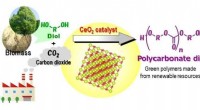
* Simple Carbon Compounds: Some compounds containing carbon are considered inorganic, such as carbon dioxide (CO2) and carbonates. These compounds typically lack the complex structures and biological relevance associated with organic chemistry.
In summary:
While the definition of "organic chemical" is generally based on the presence of carbon, some exceptions exist. Understanding this fundamental concept is crucial for comprehending the vast world of chemistry and its role in life.