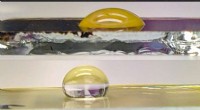
Condensate
* Formation: Condensate is formed naturally through cooling and pressure changes within the earth.
* Composition: Condensate is a mixture of hydrocarbons (primarily methane, ethane, propane, and butane) that are lighter than crude oil.
* Appearance: Condensate is clear and colorless like gasoline.
* Properties: Condensate has a lower boiling point than crude oil and is more volatile.
Liquefied Gas
* Formation: Liquefied gas is produced artificially by cooling and compressing a gas.
* Composition: Liquefied gas can be composed of various gases depending on its intended use, such as propane, butane, nitrogen, oxygen, or carbon dioxide.
* Appearance: The appearance of liquefied gas depends on the specific gas used. For example, liquefied propane and butane are colorless, while liquid nitrogen is clear and colorless.
* Properties: Liquefied gas has a higher boiling point than condensate due to the pressure it is stored under.
Key Differences in a Nutshell:
* Origin: Condensate is natural, while liquefied gas is artificial.
* Composition: Condensate is primarily a mix of light hydrocarbons, while liquefied gas can be any gas.
* Applications: Condensate is used as a fuel source, while liquefied gas has diverse applications, including fuel, refrigeration, and industrial processes.
In summary: Condensate is a naturally occurring liquid hydrocarbon mixture, while liquefied gas is any gas that has been artificially cooled and compressed into a liquid state.