Here's a breakdown:
* Enzymes are biological catalysts that speed up chemical reactions. They have a specific active site where the substrate binds.
* Substrate is the molecule that the enzyme acts upon.
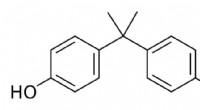
* Competitive inhibitors are molecules that resemble the substrate in shape and structure. They bind to the active site of the enzyme but do not undergo any reaction.
How it works:
1. The competitive inhibitor binds to the active site of the enzyme, blocking the substrate from accessing it.
2. As the inhibitor is bound, the enzyme cannot catalyze the reaction with the substrate.
3. The inhibitor-enzyme complex is usually reversible, meaning the inhibitor can detach from the enzyme.
4. The effect of the competitive inhibitor is concentration-dependent. A higher concentration of inhibitor leads to more enzyme molecules being bound, and thus a greater inhibition of the reaction.
Consequences:
* Reduced reaction rate: The presence of a competitive inhibitor slows down the rate of the reaction by preventing the substrate from binding to the enzyme.
* Increased Km value: Km is a constant that reflects the affinity of the enzyme for its substrate. In the presence of a competitive inhibitor, the apparent Km value increases because it takes a higher concentration of substrate to achieve half-maximal velocity.
* Vmax remains unchanged: While the rate of reaction is reduced, the maximum velocity (Vmax) of the reaction remains unaffected because, at very high substrate concentrations, the substrate can outcompete the inhibitor for binding to the active site.
Examples:
* Methotrexate is a competitive inhibitor of dihydrofolate reductase, an enzyme involved in DNA synthesis. It inhibits the growth of rapidly dividing cells, such as cancer cells.
* Statins are competitive inhibitors of HMG-CoA reductase, an enzyme involved in cholesterol biosynthesis. They lower cholesterol levels in the blood.
In summary, competitive inhibitors slow down chemical reactions by physically blocking the substrate from binding to the enzyme's active site. This leads to a reduced reaction rate, increased Km value, but unchanged Vmax.