Catalysts and inhibitors are like the backstage crew of chemical reactions. They don't directly participate in the reaction itself, but they influence its speed and efficiency.
Here's a breakdown:
Catalysts:
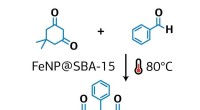
* Role: They speed up the rate of a chemical reaction without being consumed in the process. Think of them as the "helpers" who make things go faster.
* Mechanism: Catalysts provide an alternative reaction pathway with a lower activation energy, which is the minimum energy required for the reaction to occur. This allows more molecules to react at a faster rate.
* Examples: Enzymes in biological systems, platinum in catalytic converters, and nickel in hydrogenation reactions.
Inhibitors:
* Role: They slow down or completely stop a chemical reaction. Imagine them as the "brakes" that put the kibosh on things.
* Mechanism: Inhibitors work by either blocking the active site of a catalyst or by reacting with the reactants to form inactive products. They essentially make it harder for the reaction to happen.
* Examples: Poisons that inhibit enzymes, antioxidants that slow down oxidation, and corrosion inhibitors that prevent rust formation.
In a nutshell:
* Catalysts accelerate reactions, making them happen faster.
* Inhibitors decelerate reactions, slowing them down or even stopping them.
Both catalysts and inhibitors play crucial roles in various industries, from pharmaceuticals to manufacturing, allowing us to control and optimize chemical reactions for specific purposes.