Here's why:
* Electron Configuration: Alkali metals have one valence electron in their outermost shell. They readily lose this electron to achieve a stable noble gas configuration.
* Electropositivity: They are highly electropositive, meaning they have a strong tendency to lose electrons and form positive ions.
* Reactivity: This makes them highly reactive with other elements, particularly nonmetals like oxygen, halogens, and water. They react vigorously and often explosively with these substances.
Examples:
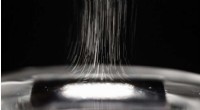
* Lithium, sodium, and potassium react violently with water, producing hydrogen gas and heat.
* Sodium reacts explosively with chlorine gas to form sodium chloride (table salt).
Therefore, the statement that alkali metals are stable and do not react easily is completely wrong. They are highly reactive metals due to their tendency to lose their single valence electron.