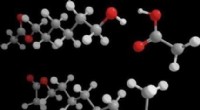
Structure:
* Carbon monoxide (CO): Has one carbon atom and one oxygen atom, connected by a triple bond.
* Carbon dioxide (CO2): Has one carbon atom and two oxygen atoms, connected to the carbon atom by double bonds.
Properties:
| Property | Carbon Monoxide (CO) | Carbon Dioxide (CO2) |
|---|---|---|
| State at room temperature | Colorless, odorless gas | Colorless, odorless gas |
| Solubility in water | Slightly soluble | Moderately soluble |
| Flammability | Flammable | Not flammable |
| Toxicity | Highly toxic | Not toxic in low concentrations |
| Density | Lighter than air | Heavier than air |
Effects on Humans:
* Carbon monoxide (CO): A colorless, odorless, tasteless gas that binds to hemoglobin in the blood, preventing oxygen transport. Exposure can lead to headaches, dizziness, nausea, unconsciousness, and even death.
* Carbon dioxide (CO2): A natural component of the atmosphere. At high concentrations, it can displace oxygen, leading to asphyxiation. It is also a major greenhouse gas contributing to climate change.
Sources:
* Carbon monoxide (CO): Incomplete combustion of fossil fuels (cars, furnaces, etc.), industrial processes, cigarette smoke.
* Carbon dioxide (CO2): Respiration by living organisms, combustion of fossil fuels, decomposition of organic matter.
Key Differences:
* Toxicity: CO is highly toxic, while CO2 is not toxic in low concentrations.
* Flammability: CO is flammable, while CO2 is not.
* Chemical structure: CO has a triple bond between carbon and oxygen, while CO2 has double bonds.
* Effects on the environment: CO2 is a major greenhouse gas, while CO is a pollutant that can cause health problems.
In summary:
Carbon monoxide and carbon dioxide are both compounds containing carbon and oxygen but have significantly different chemical structures, properties, and effects. CO is a highly toxic, flammable gas, while CO2 is not toxic in low concentrations and is not flammable. CO2 is also a significant greenhouse gas.