* Heat and Molecular Motion: Heat is a form of energy. When you add heat to a substance, you increase the energy of its molecules. This causes the molecules to move faster and vibrate more intensely.
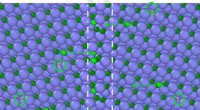
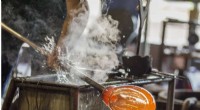
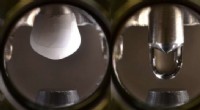
* Breaking Bonds: In a solid, molecules are tightly packed and held together by strong forces (bonds). As heat is added, the molecules vibrate more strongly, eventually overcoming these bonds. The molecules become more loosely arranged and can move past each other, transitioning the substance to a liquid state.
Think of it like this:
* Solid: Imagine a crowded dance floor where everyone is tightly packed and barely moving.
* Liquid: Imagine the same dance floor, but the music has turned up and everyone is dancing freely, moving around without bumping too much.
Key Points:
* The amount of heat needed to melt a substance (its melting point) depends on the specific substance and the strength of the bonds holding its molecules together.
* This process is called melting.
* The reverse process, where a liquid turns into a solid, is called freezing.
Let me know if you have any other questions!