Here's why:
* Chemical changes involve rearranging atoms, not creating or destroying them. Atoms are simply shuffled around to form new molecules.
* The total number of atoms of each element remains constant. Even though the substances look different, the same atoms are present.
Example:
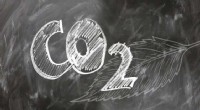
Burning wood is a chemical change. The wood (made of carbon, hydrogen, and oxygen) reacts with oxygen in the air to produce carbon dioxide, water, and ash. The total mass of the wood and oxygen before burning is equal to the total mass of the carbon dioxide, water, and ash after burning.
Important Note: While the total mass remains the same, the volume of the substances might change.