Burning of Wood
Organic Compound: Wood (cellulose, a complex carbohydrate)
Inorganic Compound: Carbon dioxide (CO2)
Process:
1. Combustion: When wood is burned, it reacts with oxygen in the air.
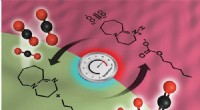
2. Chemical Reaction: The heat from the flame breaks down the complex carbon-containing molecules in wood (cellulose) into simpler molecules, releasing carbon dioxide (CO2) as a gas.
3. Carbon Transfer: The carbon atoms originally part of the organic compound (cellulose) are now part of the inorganic compound (CO2).
Equation:
C6H10O5 (cellulose) + 6O2 (oxygen) → 6CO2 (carbon dioxide) + 5H2O (water)
Summary:
In this example, carbon atoms move from the organic compound wood (cellulose) to the inorganic compound carbon dioxide (CO2). This process highlights the crucial role of combustion in the carbon cycle, where carbon is transferred between organic and inorganic forms.