1. Carbohydrates:
* Carbon (C)
* Hydrogen (H)
* Oxygen (O)
2. Lipids (Fats, Oils, Waxes):
* Carbon (C)
* Hydrogen (H)
* Oxygen (O)
* Sometimes: Phosphorus (P) (in phospholipids)
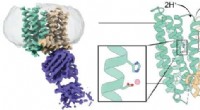
3. Proteins:
* Carbon (C)
* Hydrogen (H)
* Oxygen (O)
* Nitrogen (N)
* Sometimes: Sulfur (S)
4. Nucleic Acids (DNA, RNA):
* Carbon (C)
* Hydrogen (H)
* Oxygen (O)
* Nitrogen (N)
* Phosphorus (P)
Key Points:
* Carbon is the backbone: All four macromolecules are built around a carbon skeleton.
* Hydrogen and oxygen are common: These elements are found in all four macromolecules.
* Nitrogen and phosphorus: These elements are important components of proteins and nucleic acids.
* Sulfur: While present in some proteins, sulfur is not a universal element in this macromolecule.
Let me know if you'd like more details about specific macromolecules!