Visual Changes
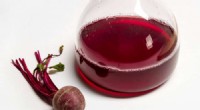
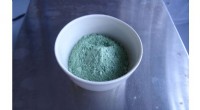
* Color Change: A dramatic shift in color is often a good indicator. For example, rusting (iron reacting with oxygen) turns a shiny metal a reddish-brown.
* Formation of a Precipitate: If a solid forms from a clear solution, it's a clue that a new substance has been created.
* Gas Production: Bubbles forming in a liquid or a change in the odor of the reaction mixture suggests that a gas has been released.
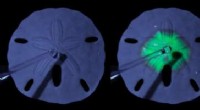
* Light Production: A chemical reaction that produces light (like burning wood) clearly indicates a chemical change.
Other Changes
* Temperature Change: Chemical reactions can release heat (exothermic) or absorb heat (endothermic).
* Change in State: If a substance changes state (solid to liquid, liquid to gas) due to a chemical reaction, this is a sign of chemical change.
* Irreversibility: Some chemical changes are irreversible, meaning you can't easily reverse them to get back the original substances (like burning wood).
Important Note: Some changes may seem like chemical changes but are actually physical changes. A physical change alters the form or appearance of a substance but doesn't change its chemical composition. Examples include:
* Melting Ice: Ice (solid water) melts into liquid water.
* Cutting Paper: Paper is physically divided but remains chemically the same.
Let's Summarize
Chemical changes involve the formation of new substances with different properties. While visual clues are helpful, a combination of these indicators provides stronger evidence of a chemical change.