Here's a breakdown:
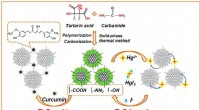
Tartaric acid itself has the following chemical formula:
* C₄H₆O₆
Salts of tartaric acid are formed when the acidic hydrogen atoms of tartaric acid are replaced by metal ions. Some common examples include:
* Potassium tartrate (K₂C₄H₄O₆): This is commonly known as cream of tartar.
* Sodium tartrate (Na₂C₄H₄O₆): Also known as Rochelle salt.
* Calcium tartrate (CaC₄H₄O₆): This is found naturally in grapes and is responsible for the "tart" flavor in wine.
Esters of tartaric acid are formed when the acidic hydrogen atoms are replaced by alkyl or aryl groups. Some examples include:
* Diethyl tartrate (C₈H₁₄O₆): Used in the production of pharmaceuticals and as a chiral reagent.
To be more specific about the chemical composition of a tartrate, you'll need to specify the specific cation or alkyl/aryl group involved.