1. Temperature:
* Increasing temperature provides more energy to the molecules, increasing the number of collisions and the likelihood that these collisions will have enough energy to overcome the activation energy barrier.
2. Catalyst:
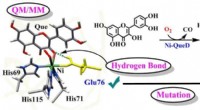
* Adding a catalyst (biological or inorganic) lowers the activation energy of the reaction without being consumed in the process. This speeds up the rate by providing an alternative pathway with a lower energy barrier.
* Enzymes are biological catalysts that are incredibly specific to their substrates and can significantly increase reaction rates.
3. Surface Area:
* Increasing the surface area of the reactants can increase the rate of reaction, especially in heterogeneous reactions involving solids and liquids or gases. Think of how a wood chip burns slower than wood shavings, or how a powdered reactant reacts faster than a solid chunk.
4. Pressure (for gas-phase reactions):
* Increasing the pressure for gas-phase reactions increases the concentration of reactants, leading to more frequent collisions.
5. Agitation/Stirring:
* Stirring or agitating the reaction mixture ensures that the reactants are well mixed and in constant contact, enhancing the rate of collisions and reaction.
6. pH (for reactions sensitive to pH):
* Adjusting the pH can be critical for reactions that are sensitive to pH. Enzymes, for instance, often have optimal pH ranges for activity.
7. Light (for photochemical reactions):
* Providing light energy can be essential for some reactions. Photosynthesis is a prime example of a light-driven reaction.
8. Removal of Products:
* Removing products as they are formed can shift the equilibrium of the reaction towards the formation of more products, effectively increasing the reaction rate. This is known as Le Chatelier's principle.
Important Note: The specific factors that affect a reaction rate depend on the specific reaction. Some reactions may be more sensitive to temperature, while others might be more influenced by the presence of a catalyst.