1. Concentration:
* Low Substrate Concentration: At low substrate concentrations, the enzyme has plenty of active sites available but not enough substrate molecules to bind to them. The reaction rate increases linearly with increasing substrate concentration.
* High Substrate Concentration: As substrate concentration increases, more enzyme active sites become occupied, leading to a faster rate of product formation. However, at very high concentrations, the enzyme becomes saturated, meaning all active sites are occupied, and the reaction rate plateaus.
2. Substrate Specificity:
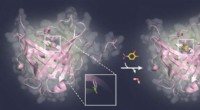
* Enzymes are highly specific to their substrates. This means that a particular enzyme will only catalyze the reaction of a specific substrate or a small group of closely related substrates.
* The shape and chemical properties of the substrate must match the active site of the enzyme for binding to occur. This specificity ensures that the correct reaction takes place.
3. Substrate Affinity:
* High Affinity: If the substrate has a high affinity for the enzyme, it will bind more readily and form an enzyme-substrate complex faster. This leads to a higher rate of product formation.
* Low Affinity: Low substrate affinity means the substrate binds less readily, resulting in a slower reaction rate.
4. Substrate Structure:
* The structure of the substrate can influence its ability to bind to the enzyme and undergo the catalytic reaction.
* For example, a substrate with a specific functional group might be essential for interaction with the enzyme's active site.
5. Substrate Modification:
* Some substrates can be modified before they can bind to the enzyme. For example, phosphorylation or glycosylation can alter the substrate's structure and affect its binding to the enzyme.
6. Substrate Inhibition:
* In some cases, high concentrations of substrate can inhibit the enzyme's activity. This can occur through competitive or non-competitive inhibition mechanisms.
Overall:
The relationship between substrate concentration and reaction rate is typically described by the Michaelis-Menten equation, which models enzyme kinetics. The equation reveals that the reaction rate increases with increasing substrate concentration until a point of saturation is reached. Substrate specificity, affinity, and structural features all contribute to the enzyme's ability to catalyze the reaction.
Understanding how substrates affect the rate of product formation is crucial in fields like biochemistry, biotechnology, and medicine, as it allows researchers to optimize reactions, design new enzymes, and develop therapeutic strategies.