Here are some common ways to categorize catalysts, each leading to different "types":
1. By Chemical Composition:
* Homogeneous catalysts: These are in the same phase as the reactants (e.g., both are in solution). Examples include acids, bases, and metal complexes.
* Heterogeneous catalysts: These are in a different phase than the reactants (e.g., a solid catalyst in a liquid or gas reaction). Examples include metals, oxides, and zeolites.
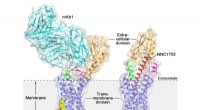
* Biocatalysts (enzymes): These are biological catalysts, typically proteins. They are highly specific and efficient.
2. By Mechanism of Action:
* Acid-base catalysts: They function by donating or accepting protons (H+ ions).
* Redox catalysts: These involve electron transfer reactions.
* Coordination catalysts: They use metal complexes to activate reactants.
* Surface catalysts: They facilitate reactions on their surface, often involving adsorption of reactants.
* Photocatalysts: They use light energy to initiate reactions.
3. By Industrial Application:
* Petroleum catalysts: Used in refining and cracking of crude oil.
* Polymerization catalysts: Used in the production of plastics and synthetic fibers.
* Automotive catalysts: Used in catalytic converters to reduce emissions.
* Pharmaceutical catalysts: Used in the synthesis of drugs and other pharmaceuticals.
4. By Material Type:
* Metal catalysts: These include platinum, palladium, nickel, etc.
* Oxide catalysts: Examples include titanium dioxide, iron oxide, and alumina.
* Zeolites: These are porous materials with unique structures that can selectively adsorb molecules.
* Carbon-based catalysts: These can be activated carbon, carbon nanotubes, or graphene.
Therefore, the number of "types" of catalysts is dependent on how you choose to categorize them. There are many different classifications, each highlighting different aspects of catalyst functionality.