Here's the balanced chemical equation:
```
Al₂(SO₄)₃(aq) + 6 NaHCO₃(aq) → 2 Al(OH)₃(s) + 3 Na₂SO₄(aq) + 6 CO₂(g)
```
Let's break down the reaction:
* Aluminum sulfate (Al₂(SO₄)₃) is a soluble ionic compound that dissociates in water.
* Sodium bicarbonate (NaHCO₃) is also soluble and dissociates in water.
* Aluminum hydroxide (Al(OH)₃) is an insoluble solid that precipitates out of solution.
* Sodium sulfate (Na₂SO₄) remains dissolved in the solution.
* Carbon dioxide (CO₂) is a gas that is released as bubbles.
Observations:
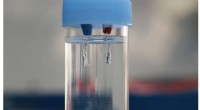
* When you mix solutions of aluminum sulfate and sodium bicarbonate, you'll observe the formation of a white, gelatinous precipitate (aluminum hydroxide).
* You'll also see vigorous bubbling as carbon dioxide gas is released.
Explanation:
The reaction proceeds because aluminum hydroxide is an insoluble compound and thus precipitates out of solution. This drives the reaction forward, consuming reactants and producing the products.
The reaction is also driven by the formation of carbon dioxide gas, which escapes from the solution, further shifting the equilibrium towards the products.
Applications:
This reaction is used in several applications, including:
* Fire extinguishers: Some fire extinguishers use a combination of aluminum sulfate and sodium bicarbonate to generate foam that smothers fires.
* Baking: Baking powder is a mixture of sodium bicarbonate and an acidic component like aluminum sulfate. The reaction produces carbon dioxide gas, which causes the batter to rise.
* Water treatment: Aluminum sulfate is used in water treatment to remove impurities by forming aluminum hydroxide flocs that settle out.
Safety:
This reaction should be conducted in a well-ventilated area as carbon dioxide gas is released.