Common Everyday Molecules
* Water (H₂O): The most common and essential molecule for life.
* Carbon Dioxide (CO₂): A greenhouse gas, a product of respiration and combustion.
* Sugar (C₁₂H₂₂O₁₁): A type of carbohydrate, providing energy to living organisms.
* Ethanol (C₂H₅OH): The alcohol found in alcoholic beverages.
* Ammonia (NH₃): Used in cleaning products and fertilizers.
* Oxygen (O₂): Essential for respiration in most living organisms.
* Nitrogen (N₂): The most abundant gas in the atmosphere.
* Methane (CH₄): A potent greenhouse gas, often found in natural gas.
Organic Molecules
* Proteins: Made up of long chains of amino acids, essential for building and repairing tissues, enzymes, and hormones.
* Carbohydrates: Sugars, starches, and fibers provide energy and structural support.
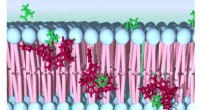
* Lipids (fats and oils): Provide energy storage, insulation, and cell membrane structure.
* Nucleic Acids (DNA and RNA): Carry genetic information and instructions for protein synthesis.
Inorganic Molecules
* Ozone (O₃): A molecule in the stratosphere that protects us from harmful UV radiation.
* Hydrogen peroxide (H₂O₂): A common disinfectant.
* Carbon monoxide (CO): A poisonous gas produced from incomplete combustion.
* Sulphur dioxide (SO₂): A major air pollutant.
Other Important Molecular Substances
* Polymers: Large molecules made up of repeating subunits, examples include plastics, nylon, and rubber.
* Drugs: Molecules that interact with biological systems to produce specific effects.
* Dyes: Colored molecules used to add color to materials.
* Fragrances: Molecules that create pleasant smells.
Remember, a molecular substance is formed when two or more atoms are held together by chemical bonds, forming a discrete unit. These molecules can be simple or complex, and they play crucial roles in our world.