Solutions: A Blend of Substances
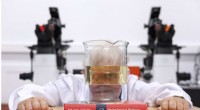
A solution is a homogeneous mixture, meaning its composition is uniform throughout. It consists of:
* Solute: The substance being dissolved (e.g., sugar, salt)
* Solvent: The substance doing the dissolving (e.g., water)
How Solutions Form: The Key Role of Physical Changes
* Dissolving: When a solution forms, the physical state of the solute changes. For instance, sugar crystals (solid) dissolve in water to form sugar molecules dispersed throughout the water.
* No New Substances: Crucially, *no new chemical substances are created* during the formation of a solution. The solute and solvent merely mix together at the molecular level.
Examples:
* Sugar in Water: Sugar dissolves in water, forming a sugar solution. The sugar molecules are still sugar, but they are now dispersed in the water.
* Salt in Water: Salt dissolves in water, forming a salt solution. The salt ions are still present, but they are surrounded by water molecules.
Chemical Changes: The Creation of New Substances
In contrast to solution formation, chemical changes involve the creation of entirely new substances with different chemical properties. Here are some examples:
* Burning Wood: Wood reacts with oxygen, producing ash, carbon dioxide, and water. The original wood is gone, replaced by new products.
* Baking a Cake: The ingredients (flour, sugar, eggs, etc.) undergo chemical reactions, forming a cake with a new texture and flavor.
Key Points:
* Solutions are physical mixtures: The substances involved retain their chemical identities.
* Chemical changes create new substances: The original substances are transformed into something different.
Let me know if you have any more questions!