Light Initiating Chemical Reactions:
* Photochemistry: This branch of chemistry specifically studies chemical reactions that are initiated by light.
* Photosynthesis: The most well-known example is photosynthesis, where plants use sunlight to convert carbon dioxide and water into glucose and oxygen.
* Photolysis: Breaking down molecules using light, often used in water purification systems.
* Polymerization: Some polymers are formed by light-induced reactions, like the creation of certain plastics.
* Vision: Light triggers chemical reactions in our eyes, allowing us to see.
* Photocatalysis: Using light to activate a catalyst for speeding up chemical reactions, with applications in environmental remediation and energy production.
Chemical Reactions Producing Light:
* Chemiluminescence: Chemical reactions that release energy in the form of light. Examples include fireflies, glow sticks, and some chemical reactions in analytical chemistry.
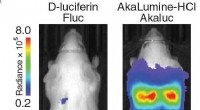
* Bioluminescence: Chemiluminescence occurring within living organisms, as seen in fireflies and some deep-sea creatures.
* Incandescence: Light produced by heating a material to a high temperature, like in incandescent light bulbs.
* Fluorescence: Molecules absorb light at one wavelength and emit it at a longer wavelength, as seen in fluorescent lights and some fluorescent proteins used in biology.
* Phosphorescence: Similar to fluorescence, but the emitted light persists after the excitation light source is removed, like in glow-in-the-dark toys.
In summary:
Light can act as a catalyst, supplying the energy needed to start or accelerate chemical reactions. Conversely, chemical reactions can release energy in the form of light, creating a variety of visual phenomena. The study of these processes is essential for understanding a wide range of natural and technological processes.