Detergents:
* Surfactants: These are the main cleaning agents in detergents. They reduce surface tension, allowing water to penetrate and loosen dirt. Examples include:
* Anionic surfactants: Linear alkylbenzene sulfonates (LAS), alkyl sulfates (AS), and alkyl ether sulfates (AES).
* Nonionic surfactants: Alkyl polyglycosides (APG), alcohol ethoxylates (AE), and fatty acid amides (FAA).
* Builders: These help surfactants work more effectively by softening water and increasing their cleaning power. Examples include:
* Phosphates: Sodium tripolyphosphate (STPP) and sodium pyrophosphate (SPP).
* Zeolites: These are synthetically produced aluminosilicates.
* Citrates: Sodium citrate and citric acid.
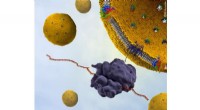
* Enzymes: These break down specific stains, such as proteins (proteases), starches (amylases), and fats (lipases).
* Bleaches: These remove stains by oxidizing them. Examples include:
* Chlorine bleach: Sodium hypochlorite (NaClO).
* Oxygen bleach: Sodium percarbonate (Na2CO3 · 1.5 H2O2) and sodium perborate (NaBO3).
* Brighteners: These make fabrics appear whiter by absorbing ultraviolet light and re-emitting it as visible blue light.
* Fragrances: These add a pleasant scent to the detergent.
* Preservatives: These prevent bacterial growth in the detergent.
Fertilizers:
* Nitrogen (N): Essential for plant growth, particularly for leaf and stem development. Common nitrogen sources include:
* Urea: (NH2)2CO
* Ammonium nitrate: NH4NO3
* Ammonium sulfate: (NH4)2SO4
* Phosphorus (P): Important for root development, flowering, and fruit production. Common phosphorus sources include:
* Phosphoric acid: H3PO4
* Superphosphate: Ca(H2PO4)2·H2O
* Triple superphosphate: Ca(H2PO4)2
* Potassium (K): Crucial for water regulation, disease resistance, and overall plant health. Common potassium sources include:
* Potassium chloride: KCl
* Potassium sulfate: K2SO4
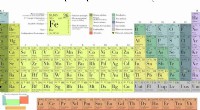
* Other nutrients: Many fertilizers also contain trace elements like calcium, magnesium, sulfur, boron, copper, iron, manganese, zinc, and molybdenum, which are important for various plant functions.
This is just a brief overview. The specific chemicals used in detergents and fertilizers can vary greatly depending on the brand, product type, and intended use.