Here's the breakdown:
1. Acetyl-CoA (a molecule carrying an acetyl group) enters the citric acid cycle and combines with oxaloacetate, a 4-carbon molecule.
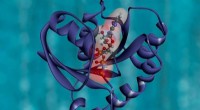
2. This reaction is catalyzed by the enzyme citrate synthase.
3. The resulting molecule is citrate, a 6-carbon molecule.
The citric acid cycle then continues through a series of steps, ultimately generating ATP, NADH, and FADH2 as energy carriers.