Here's why:
* HF Reactivity: Hydrofluoric acid is highly corrosive and reacts with many materials, including some metals and oxides.
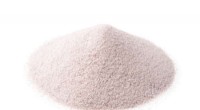
* Vermiculite Reactivity: Vermiculite is a type of mica that contains magnesium, aluminum, and silicon oxides. These oxides can react with HF, generating heat and potentially forming toxic byproducts.
The Reaction:
When HF comes into contact with vermiculite, it reacts with the oxides present, forming silicon tetrafluoride (SiF4) and other fluorides.
SiF4 is a highly toxic gas, which can be extremely dangerous if inhaled.
Safety Concerns:
* Toxic Gas Release: The reaction between HF and vermiculite releases toxic SiF4 gas, which can cause respiratory problems, lung damage, and even death.
* Increased Reactivity: The reaction generates heat, which can further increase the reactivity of HF and potentially cause a runaway reaction.
* Risk of Explosion: In certain circumstances, the reaction could lead to an explosion, especially if the mixture is confined.
Alternatives:
Instead of vermiculite, other materials are used to lab pack HF, such as:
* Polyethylene: Polyethylene is resistant to HF and is commonly used for containers and lab packing.
* Fluoropolymers: These polymers are highly resistant to HF and are often used for specialized applications.
Important Note: Always follow safety protocols and consult with a qualified chemist or safety professional when handling hazardous materials like HF.