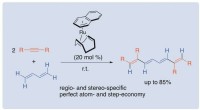
What is a catalyst?
A catalyst is a substance that speeds up a chemical reaction without being consumed in the process. It does this by providing an alternative reaction pathway with a lower activation energy.
How catalysts work:
* Lower Activation Energy: Catalysts lower the activation energy of a reaction. This is the minimum amount of energy that reactant molecules need to collide with each other effectively and form products. By lowering the activation energy, more molecules have enough energy to react, leading to a faster reaction rate.
* Providing an Alternative Pathway: Catalysts offer a different route for the reaction to proceed, often involving intermediate steps that are easier to overcome than the original pathway.
* Increasing the Frequency of Effective Collisions: Catalysts can also increase the frequency of effective collisions between reactant molecules by bringing them closer together or orienting them in a way that promotes reaction.
Important Notes:
* Catalysts are not consumed: Catalysts are not reactants and are not used up during the reaction. They can participate in the reaction mechanism but are regenerated in the end.
* Catalysts do not change the equilibrium: Catalysts only affect the rate of a reaction, not the final equilibrium position. The equilibrium constant (K) remains the same.
* Specific catalysts for specific reactions: Different reactions require different catalysts, as the mechanism and activation energy barriers vary.
Examples of Catalysts:
* Enzymes: Biological catalysts that speed up biochemical reactions in living organisms.
* Metals: Some metals, like platinum and palladium, act as catalysts in various industrial processes.
* Acids: Acids can act as catalysts for certain reactions, like esterification.
In conclusion: Catalysts are essential for many chemical reactions, accelerating their rates without being consumed in the process. They provide alternative pathways with lower activation energies, leading to faster reaction rates.