* The speed of light in a vacuum is a constant: This speed, approximately 299,792,458 meters per second, is denoted as "c" and is a fundamental constant in physics.
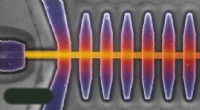
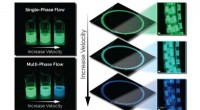
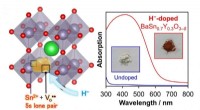
* Light slows down in matter: When light travels through matter (gas, liquid, or solid), it interacts with the atoms and molecules of that material. This interaction causes the light to slow down.
* The amount of slowing down depends on the material: The denser the material, the more the light interacts with it, and the more it slows down. So, light travels slightly slower in liquids than in gases, and even slower in solids.
* It's about interaction, not change: The speed of light doesn't fundamentally change; it's the *interaction* of light with matter that makes it seem slower. Think of it like a car traveling through a crowded street versus an open highway. The car itself isn't changing speed, but its progress is slower due to the obstacles it encounters.
In essence, the speed of light remains constant in a vacuum. When light enters a material, it appears to slow down because it interacts with the particles of that material.