1. Physical Properties:
* Appearance: Metals are typically shiny, malleable (can be hammered into sheets), ductile (can be drawn into wires), and good conductors of heat and electricity. Non-metals, on the other hand, can be dull, brittle, and poor conductors.
* Density: Metals tend to have higher densities compared to non-metals.
* Melting and Boiling Points: Metals generally have higher melting and boiling points than non-metals.
2. Chemical Properties:
* Reaction with Acids: Metals react with acids to produce hydrogen gas, while non-metals typically do not.
* Oxidation: Metals tend to readily oxidize (react with oxygen) forming oxides, while non-metals can form oxides but often in different ways.
* Conductivity: Metals are good conductors of heat and electricity, while non-metals are poor conductors (except for some exceptions like graphite).
3. Specific Tests:
* Flame Test: Certain metals emit a characteristic color when heated in a flame, which can be used to identify them.
* Spectroscopy: Analyzing the light emitted or absorbed by a substance can help determine its composition and whether it contains metallic elements.
* X-Ray Diffraction: This technique can identify the crystal structure of a substance, which can help classify it as a metal or non-metal.
Important Note:
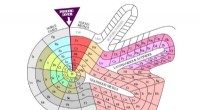
It's crucial to remember that these methods are not always foolproof. Some substances may exhibit properties that make them appear to be both metal and non-metal. For example, some elements like silicon are considered metalloids, exhibiting properties of both metals and non-metals.
In conclusion, the best method to determine if a substance is a metal or non-metal depends on the specific substance and the resources available. Combining different methods can often provide the most accurate results.